
Is CBD Oil Safe During Pregnancy? What the FDA and CDC Say
The FDA strongly advises against CBD in any form during pregnancy and breastfeeding. Here is why, what is unknown, and what to ask your OB.
- Evidence
- Strong
- Sources
- 7 linked
- Sponsored
- No ✓
- Checked
- Nov 2026
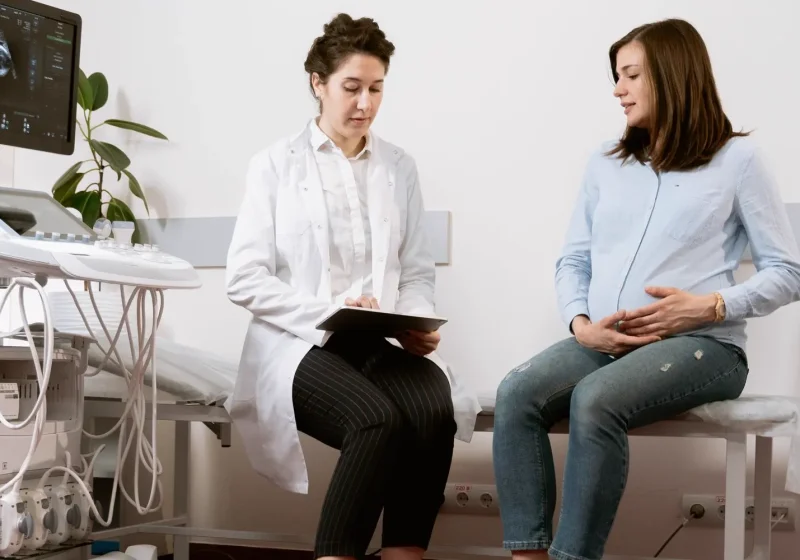
CBD has not been shown to be safe in pregnancy. The FDA strongly advises against using CBD, THC or marijuana in any form while pregnant or breastfeeding, so talk to your OB-GYN or midwife instead.
No one has shown that CBD oil is safe during pregnancy, and the FDA “strongly advises against” using CBD, THC, or marijuana in any form while pregnant or breastfeeding. The CDC says the health effects of CBD during pregnancy are currently unknown. If you are pregnant, trying to conceive, or breastfeeding, the safest step is to avoid CBD and talk with your OB-GYN or midwife about other options.
- The FDA strongly advises against CBD, THC, and marijuana in any form during pregnancy and breastfeeding.
- The CDC says the potential health effects of CBD in pregnancy are currently unknown.
- High doses of CBD in pregnant test animals caused reproductive problems in developing male fetuses, according to the FDA.
- CBD products can contain THC or other contaminants that are not on the label. One study found THC in about 1 in 5 products tested.
- The FDA expects some CBD to pass into breast milk.
- Talk to your OB-GYN or midwife before using any CBD product, and tell them if you already have.
What does the FDA say about CBD during pregnancy?
The U.S. Food and Drug Administration has a consumer update dedicated to this question. Its message is direct: the FDA “strongly advises against the use of cannabidiol (CBD), tetrahydrocannabinol (THC), and marijuana in any form during pregnancy or while breastfeeding.”
The FDA’s broader CBD guidance also lists the effects of CBD on a developing fetus or breastfed newborn as unknown. In other words, the advice to avoid it is not because a clear harm has been proven in people. It is because there is a real possibility of harm and not enough safety data to say otherwise.
It is also worth knowing that over-the-counter CBD oils are not FDA-approved. The only FDA-approved CBD drug is Epidiolex, a prescription medicine for certain seizure disorders. Store-bought CBD products have not been evaluated by the FDA for safety or proper dosage, in pregnancy or otherwise.
What do the CDC and obstetricians say?
The Centers for Disease Control and Prevention (CDC) states that “the potential health effects of using cannabidiol (CBD) products during pregnancy are currently unknown.” The CDC recommends that pregnant women not use cannabis, and its advice for anyone using cannabis who is pregnant, planning a pregnancy, or breastfeeding is to talk to a doctor.
The American College of Obstetricians and Gynecologists (ACOG) has addressed cannabis (marijuana) use broadly rather than CBD alone. According to a 2023 review in Obstetrical & Gynecological Survey, ACOG recommends stopping cannabis use for people who are pregnant or thinking about becoming pregnant, and ACOG and the American Academy of Pediatrics recommend avoiding cannabis while breastfeeding. We could not find an ACOG statement focused only on CBD, so we are not quoting one here.
| Organization | What it says | Covers CBD specifically? |
|---|---|---|
| FDA | Strongly advises against CBD, THC, and marijuana in any form during pregnancy and breastfeeding | Yes |
| CDC | Effects of CBD in pregnancy are currently unknown; recommends pregnant women not use cannabis | Yes (effects unknown) |
| ACOG (as summarized in a 2023 review) | Recommends stopping cannabis use when pregnant or planning pregnancy; with AAP, recommends avoiding cannabis while breastfeeding | Addresses cannabis broadly |
| Epidiolex label (FDA-approved CBD drug) | No adequate data on developmental risks in pregnant women; animal studies showed developmental toxicity | Yes (prescription CBD) |
Why are experts worried if the risks aren’t proven?
The FDA points to several specific concerns:
- Animal findings. The FDA says high doses of CBD in pregnant test animals “caused problems with the reproductive system of developing male fetuses.” Animal results do not always apply to people, but they are a warning sign.
- Liver effects. Human clinical studies show a risk of liver toxicity (damage) with CBD, according to the FDA.
- Drug interactions. The FDA warns CBD can affect how other medicines work, which matters if you take prenatal or pregnancy-related medications.
- Contamination. The FDA notes CBD products may be contaminated with substances that may pose a risk to the fetus, such as THC, and says it has heard reports of other contaminants, such as pesticides, heavy metals, bacteria, and fungus.
The prescribing information for Epidiolex, the one CBD drug the FDA has reviewed in depth, says there are no adequate data on developmental risks in pregnant women, and that animal studies showed developmental toxicity. If the most-studied CBD product cannot be called safe in pregnancy, unregulated store products cannot either.
Important: Do not use CBD oil, gummies, or other CBD products while pregnant or breastfeeding unless your own doctor has specifically advised it. The FDA strongly advises against it. If you have already used CBD during pregnancy, do not panic, but tell your OB-GYN or midwife so they can give you advice based on your situation.
Could a CBD product expose my baby to THC?
Yes, it could. THC (tetrahydrocannabinol) is the compound in cannabis that causes a high, and the CDC notes that chemicals in cannabis, THC in particular, pass through your system to your baby.
Many people assume a CBD product has no THC, but labels are not always accurate. A 2017 study in JAMA tested 84 CBD products sold online and detected THC in 18 of them (about 21%). Only about 31% contained an amount of CBD within 10% of what the label claimed. The FDA has also reported that many CBD products it tested did not contain the levels of CBD they claimed.
“Full-spectrum” products are made to keep other hemp compounds, which can include THC. Even products labeled “THC-free” depend on the maker’s testing and honesty. For more, see does CBD get you high and what CBD isolate is.
Is CBD safe while breastfeeding?
The same FDA advice applies: it strongly advises against CBD, THC, and marijuana in any form while breastfeeding. The FDA says it expects “some amount of CBD will be transferred to babies through breast milk,” It also says breast milk can contain THC for up to six days after use, and that this THC may affect a newborn’s brain development.
The CDC says chemicals from cannabis can be passed to a baby through breast milk, and that THC is stored in body fat and released slowly, so a baby may still be exposed after a parent stops using cannabis. The Epidiolex label states there are no data on whether CBD or its byproducts appear in human milk. In short, researchers simply do not know enough to call it safe for a nursing baby.
CBD also lingers in the body for some time after use, which we explain in how long CBD stays in your system.
What should I do if I’m using CBD for nausea, sleep, or anxiety?
Pregnancy can bring nausea, poor sleep, aches, and anxiety, and it makes sense to look for relief. The CDC’s guidance is to talk with your doctor if you use cannabis and are pregnant, planning a pregnancy, or breastfeeding. A clinician can suggest options that have pregnancy-specific safety information.
- Stop and check. Pause CBD use and make a note of the products you used, how much, and for how long.
- Bring the label. Take the bottle or a photo of the label and any lab report (certificate of analysis) to your appointment.
- Be open about why. Tell your OB-GYN or midwife what symptom you were trying to manage. That helps them suggest safer alternatives.
- Ask about all products. Ask about creams, gummies, drinks, and vapes as well as oils, since CBD and THC can appear in many forms.
- Review your medicines. Ask your pharmacist to check for interactions if you used CBD alongside other medications.
Tip: Clinicians are not there to judge you. Telling your care team about CBD or cannabis use helps them look after you and your baby. If talking about it feels awkward, you can bring this page and point to the FDA quote.
What is still unknown?
Quite a lot. We do not know whether there is any safe amount of CBD in pregnancy, whether timing in pregnancy matters, or how the animal findings translate to people. NCCIH, part of the National Institutes of Health, notes that CBD has been associated with liver injury, male reproductive harm, and drug interactions, and that over-the-counter CBD products may contain more or less CBD than their labels state.
Because the evidence gap is so large, the official advice is to avoid CBD rather than wait for answers. We rate the strength of that advice as strong because it comes directly from federal health agencies. You can read how we rate evidence in our editorial policy.
Frequently asked questions
Is CBD oil safe in the first trimester?
There is no evidence that CBD is safe at any stage of pregnancy. The FDA’s advice to avoid CBD applies to the whole pregnancy and to breastfeeding.
I used CBD before I knew I was pregnant. What should I do?
Stop using it and tell your OB-GYN or midwife. They can talk through what you used and what, if anything, to watch for. Bring the product label if you still have it.
Are CBD creams or lotions okay during pregnancy?
The FDA’s advice covers CBD “in any form.” Research on how much CBD from skin products enters the body during pregnancy is lacking, so ask your clinician before using one.
Is THC-free or isolate CBD safer in pregnancy?
It may lower the chance of THC exposure, but CBD itself has not been shown to be safe in pregnancy, and labels can be inaccurate. The FDA’s advice still applies.
Can I use CBD while pumping and dumping?
The FDA strongly advises against CBD while breastfeeding, and how long CBD stays in breast milk has not been well studied. Talk to your doctor or a lactation consultant before using any CBD product.
Sources
- U.S. Food and Drug Administration — What You Should Know About Using Cannabis, Including CBD, When Pregnant or Breastfeeding
- U.S. Food and Drug Administration — What You Need to Know (And What We’re Working to Find Out) About Products Containing Cannabis or Cannabis-derived Compounds, Including CBD
- Centers for Disease Control and Prevention — Cannabis and Pregnancy
- NCCIH (NIH) — Cannabis (Marijuana) and Cannabinoids: What You Need To Know
- Obstetrical & Gynecological Survey (Hayer et al., 2023) — Cannabis and Pregnancy: A Review
- DailyMed (NLM) — EPIDIOLEX (cannabidiol) oral solution prescribing information
- JAMA (Bonn-Miller et al., 2017) — Labeling Accuracy of Cannabidiol Extracts Sold Online
 Read nextCan You Overdose on CBD Oil? Side Effects and When to Get HelpNo fatal CBD-only overdose appears in the sources we reviewed, but high doses can strain the liver, and…